
Fashion has emerged in the Silicon Valley region of the United States, from a creative ecosystem of design agencies, communications, game studios, software and startups, and wherever these colorful, post-its paperwork circulate.
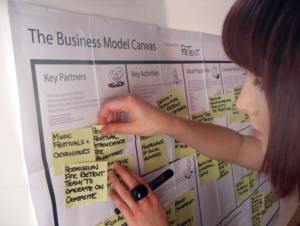
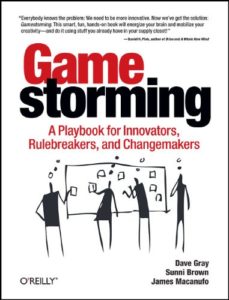
In 2010 the book Gamestorming was launched, perhaps the first compilation of these practices that came from the day to day of these creative professionals. It brings together more than 80 office games, pre-designed design thinking processes, and therefore meta-strategies for problem solving. They use only material that can be found in any common office, and that help teams break down barriers, communicate better, generate new ideas, insights, and strategies in a co-creative way. In other words, read Gamestorming and find out how many tools you had and did not know.
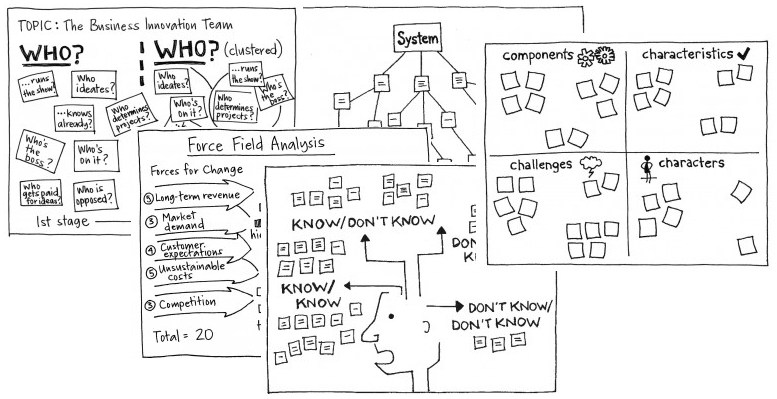
“My favorite part about playing Gamestorming is that it changes the dynamics of my ‘blah-blah-blah’ meetings to actually do. At the end of a Gamestorming session we always have documents of one kind or another looking at what happened at the meeting. Everyone feels more energized and productive and we can produce a lot more. “
Says Dave Gray, one of the creators and practitioners of the methodology.
In Brazil the trend already shows supporters and even national versions of office games. This is the case of the Brazilian project #AJogada – hashtag included – that proposes the use of games as mediators of all processes and relationships in the administration of a business. Or “game-based management” as its creators prefer to call.
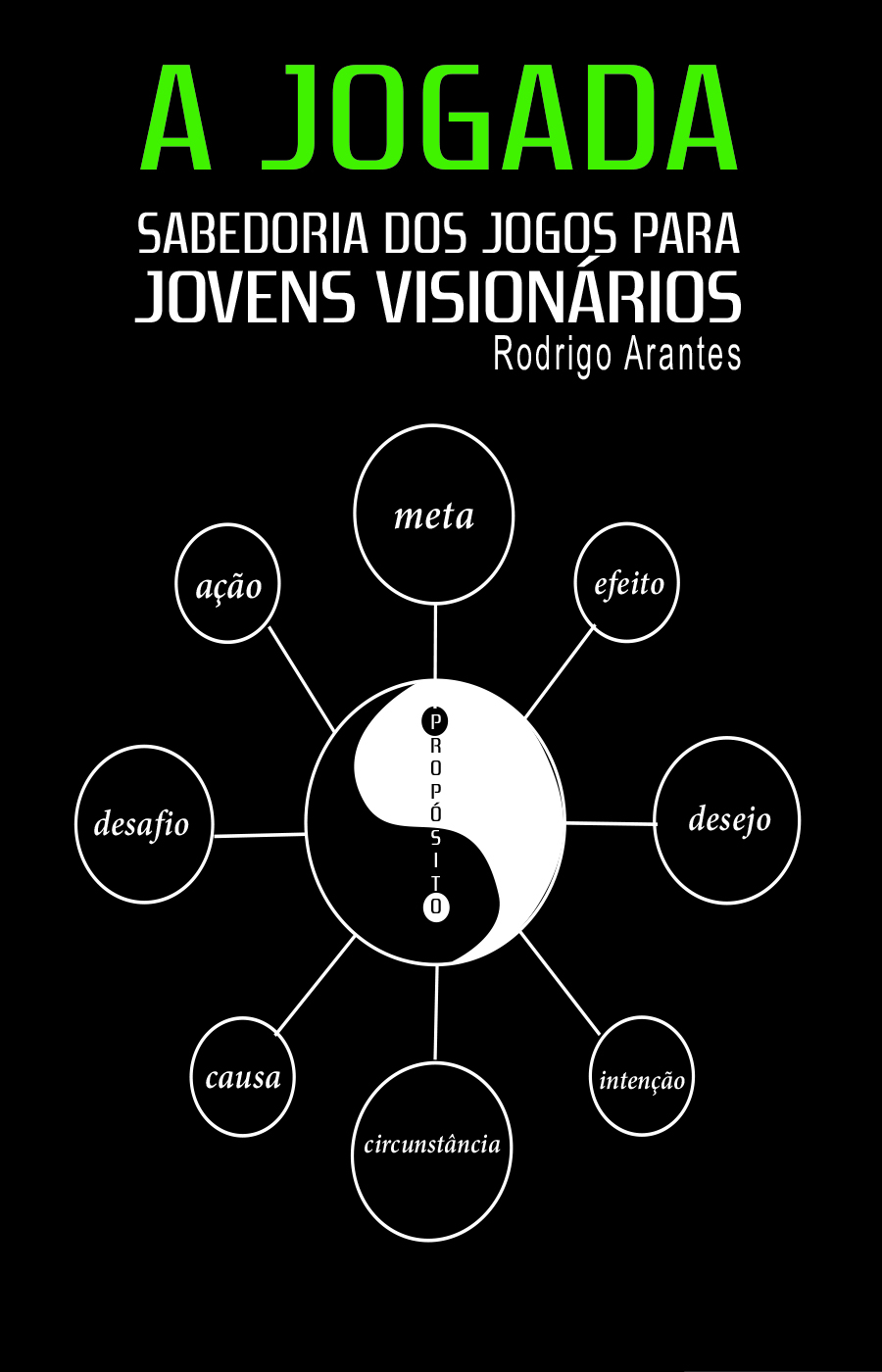
“#Game is an intuitive technique of game design. A 4D matrix is used to draw the narrative flow of a person, or group, into a spiral. This spiral is then represented in a mandala-shaped canvas with concentric circuits that represent the short, medium, and long cycles of a person’s or organization’s rites and processes. Thus, we model the design of sprints, plays and quests of the players. Days, weeks, months and years have their information hierarchized at institutional, strategic, tactical and operational levels. Sometimes a customer session is enough to mirror all of your business on a board and glimpses of strategies to multiply your revenue gains with dates to be achieved. The alignment of the elements in the puzzle exercises the players’ abstraction ability, leading them to achieve answers by the stoning of ideas. In symbolic terms, the game behaves like an oracle, a prism of reality, a philosopher’s stone, a map / compass instrument that brings visions of what the team needs to do to achieve its goals, always flowing in a 4-stage sequence that are the four elements of nature.”
Says Rodrigo Arantes creator of the methodology The Play.
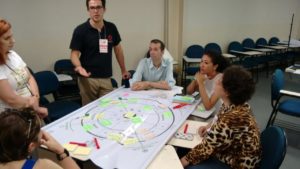
“It’s as if you could play the realization of a dream. Your dream is called a quest. To accomplish it you need to break it down into smaller goals that are the moves and operations. That’s why we say that a player who gains the mastery of the Play made his Play. “
Says Luciano Santa Brigida, game designer and co-founder of the #AJogada Project.
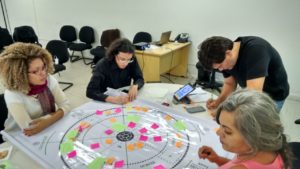
According to its creators, the use of office games as man-work interface is the future of work in almost every field. This is because the games empower the focus and take better advantage of human creativity because they offer open structures and rules for free definition of goals and purposes for a game.
“Without the use of office games we end up playing other types of not-so-cool games, such as power play or game status at work. This directs almost all the collective effort for competition and maintenance of the status quo. Everyone is afraid of not giving in and ends up with very little creative energy left to produce value when people are scared. “
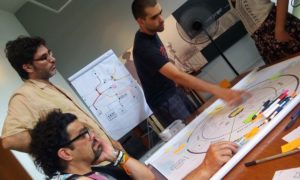
According to Rodrigo, the same office games can still accelerate the sustainable development of companies and be used in educational contexts.
“By using games as an interface between man and work, we allow him to take a view out of his own business and to think of his company as a set of systems that need to function alone, efficiently, without generation of by-products or waste. The game challenges you to find new, more creative and efficient methods every cycle. “
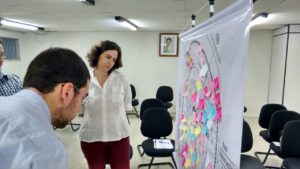
“Just define a product for a knowledge that one wants to master and let the students free to develop their work as they wish. Learning is empowered by the creative process and students feel much more interested in the learning process when they realize that the search for knowledge can generate a useful and valuable product for them. “
Share your reviews with your office gaming experience. For more information and check out free videos and games about office games you can download and start playing right now.